A lease is the single most important document in a tenancy. It sets the rent, defines who is responsible for what, and decides how a dispute gets resolved. Yet many landlords sign an agreement they downloaded years ago, or one written for the wrong jurisdiction, and only discover the gaps when something goes wrong.
This is a practical guide to what a legally sound residential lease must contain, why the form itself matters, and the small mistakes that quietly make a clause unenforceable.
The essential clauses every lease needs
A lease can be long, but a sound one always covers the same core ground. Missing any of these leaves a gap that a tenant, a tribunal, or a court can exploit.
- Parties. The full legal name of every landlord and every adult tenant. Everyone who lives there and is responsible for rent should sign.
- Property and unit. The exact address, including the specific unit or basement suite. Vague descriptions cause disputes about what was actually rented.
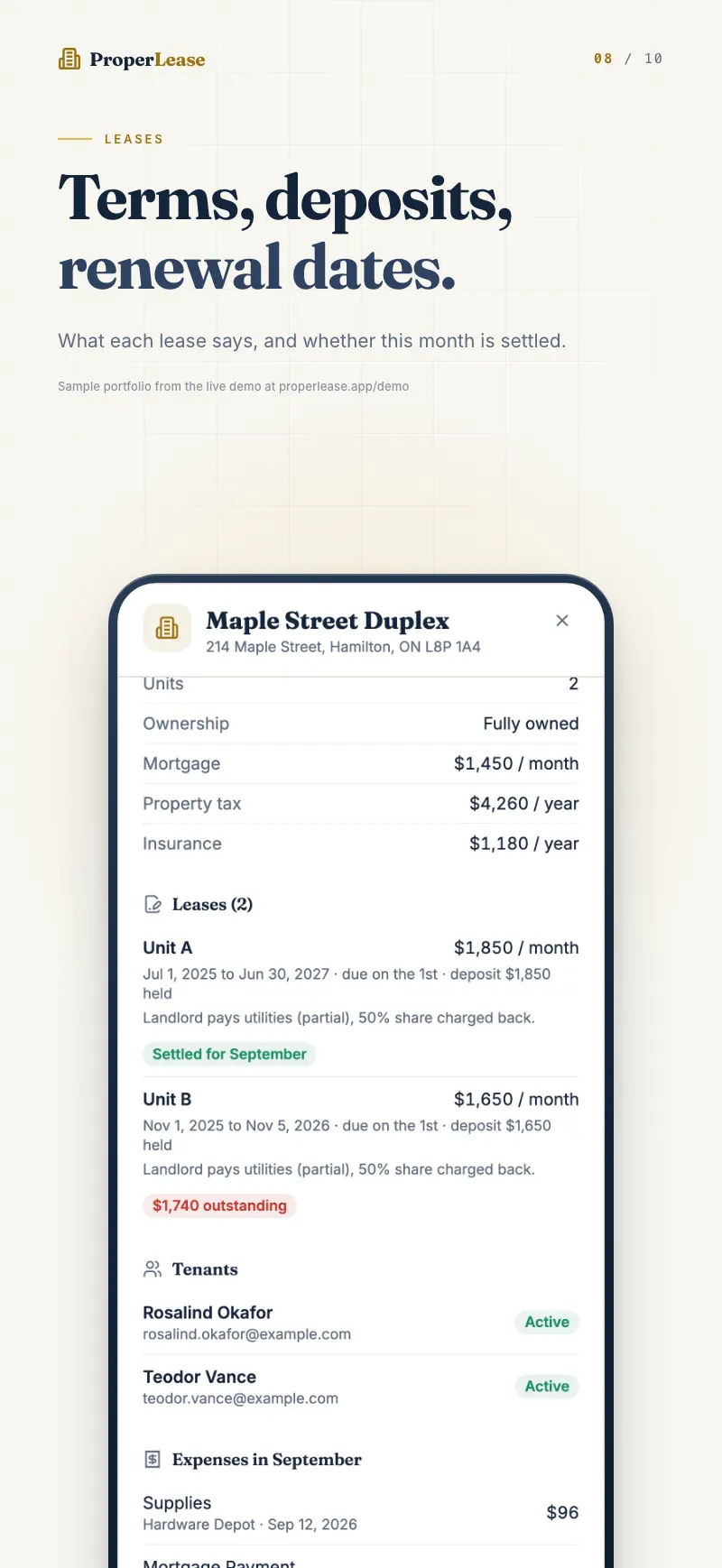
- Term and renewal. The start date, the end date, and what happens after: whether the tenancy renews month to month or requires a new fixed term.
- Rent amount, due date, and method. How much, on what day, and how it is paid. Name the accepted methods so there is no argument later.
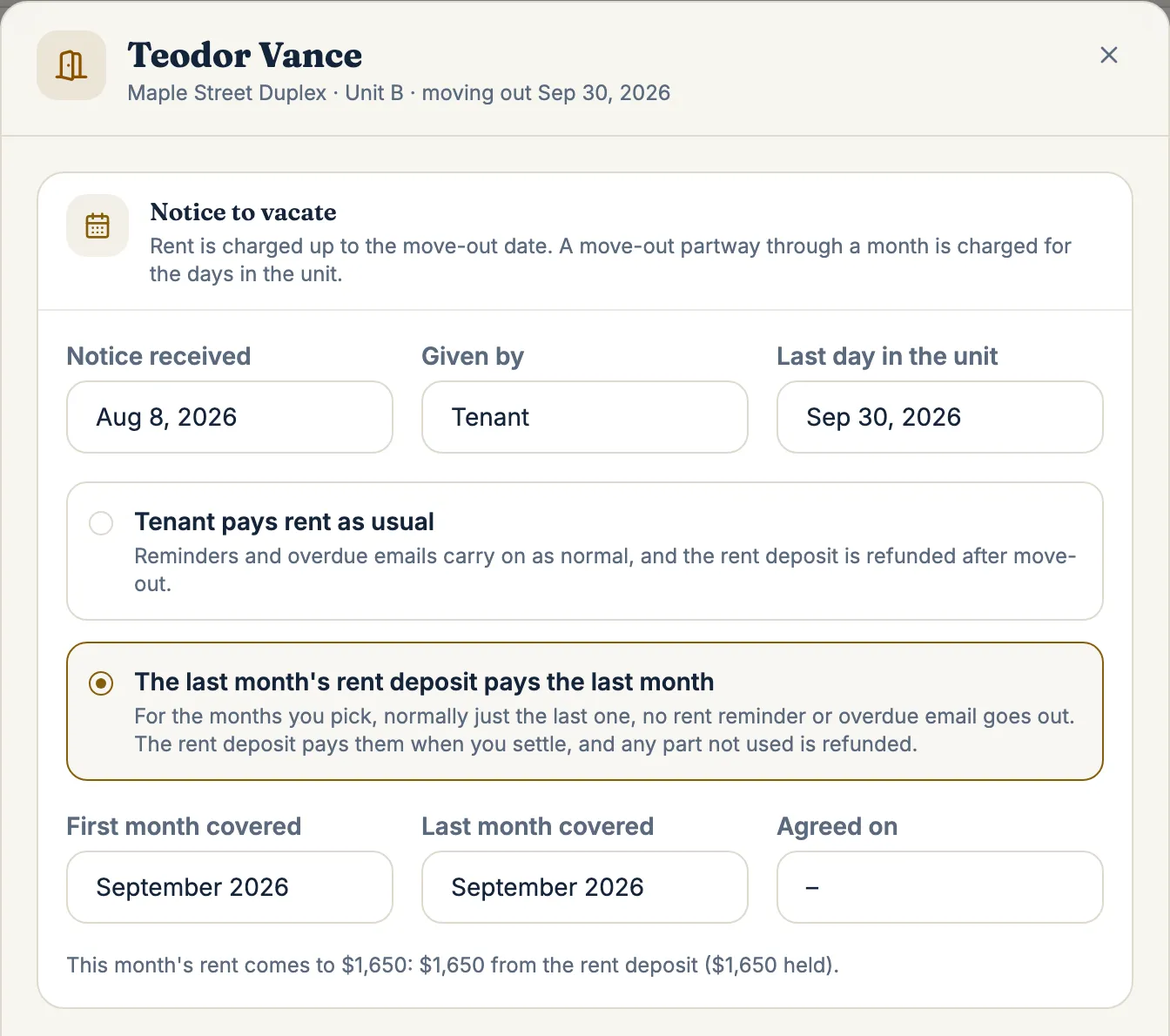
- Deposit terms. What you are holding, what it is for, and the conditions for its return. This is the clause landlords get wrong most often.
- Utilities responsibility. Spell out which utilities the tenant pays and which you cover. Silence here is how landlords end up eating a heating bill.
- Maintenance and repairs. Who handles what, and how the tenant reports a problem.
- Entry notice. Your right to enter and the notice you must give first, which is set by law and cannot be waived.
- Rules and occupancy. Pets, smoking, guests, subletting, and the number of occupants, within what the law allows.
- Signatures and date. Signed and dated by all parties, each keeping a copy.
Why the province and state form matters
Here is the part generic templates miss: in many jurisdictions you cannot simply write your own lease. A specific government form is either mandatory or the accepted standard, and using the wrong document can render terms unenforceable.
- Ontario requires the standard lease, form 2229E, for most residential tenancies. If you do not use it, the tenant can formally demand it, and until you provide it they may withhold rent or end the tenancy early.
- British Columbia uses the Residential Tenancy Agreement, form RTB-1, as its standard.
- Quebec requires the official lease, commonly called the Bail, published by the provincial tribunal.
- United States tenancies are governed state by state, so a lease that is compliant in one state may violate disclosure or deposit rules in another.
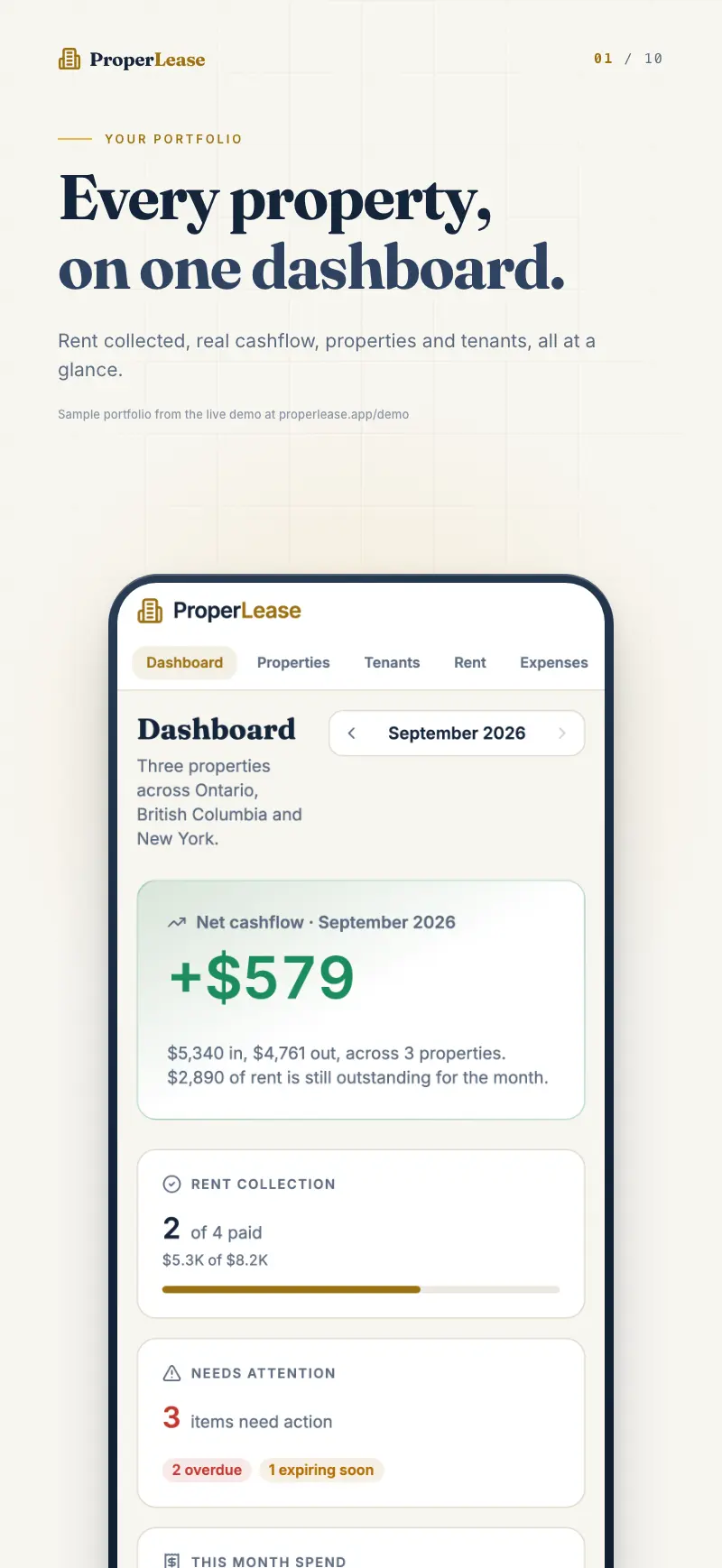
ProperLease generates the correct document for your jurisdiction automatically: the official provincial forms for Ontario, British Columbia, and Quebec, and attorney reviewed residential leases for 45 US states. You set the rent, the term, and the deposit, and the finished lease is a PDF you can sign and share.
The lease checklist
Use this as a final pass before anyone signs. If your agreement cannot answer every row clearly, it has a gap.
| Clause | What to confirm |
|---|---|
| Parties | Every adult tenant named and signing |
| Property and unit | Exact address and specific unit identified |
| Term | Start date, end date, and what follows |
| Rent | Amount, due date, and accepted payment methods |
| Deposit | Amount, purpose, and return conditions, within legal limits |
| Utilities | Each utility assigned to landlord or tenant |
| Maintenance | Responsibilities and how repairs are reported |
| Entry | Notice period matches the legal minimum |
| Rules | Pets, smoking, occupancy, all within the law |
| Signatures | Signed and dated, copy given to the tenant |
Mistakes that make a clause unenforceable
A signature does not make a term valid. A clause fails when it tries to do something the law does not allow, and courts and tribunals strike those terms even when the tenant agreed.
- Waiving a tenant right. A clause that removes a protection the law grants, such as the right to proper entry notice or to a habitable unit, is void.
- Collecting the wrong deposit. Charging more than the legal limit, or collecting a last month rent deposit where it is barred, invalidates the term and can trigger a penalty. See our guide to holding and returning deposits for the specifics.
- Vague or missing terms. If the lease does not say who pays a utility or when rent is due, the ambiguity is usually read against the landlord who drafted it.
- Using the wrong form. In a jurisdiction with a mandatory standard lease, a custom document can strip you of remedies you would otherwise have.
- Illegal fees or penalties. Automatic late fees above what the law permits, or charges the law does not allow at all, are unenforceable.
This article is general information, not legal advice. Lease requirements, mandatory forms, and enforceable clauses differ by province and state, and they change. Confirm the rules where your property is located, or consult a local professional, before you rely on any clause.
Put it together the right way
A sound lease is not about length or legal jargon. It is about covering every essential clause, on the correct form for your jurisdiction, without a single term that the law will not stand behind.
When your lease is generated on the right template and your deposit and dates are tracked alongside it, you remove the two biggest sources of tenancy disputes at once. To see how the lease is built and stored, read generate a lease, or start with ProperLease and create your first compliant lease today.
Frequently asked questions
Does a lease have to be in writing to be enforceable?
A verbal tenancy can still be legally binding in most places, but it is far harder to enforce because you cannot prove the terms. A written lease on the correct form protects both sides and is required in some provinces, such as Ontario.
What single clause do landlords most often get wrong?
Deposit terms. Landlords frequently collect the wrong amount, mislabel a last month rent deposit as a security deposit, or forget interest rules, and any of those can make the clause unenforceable or expose you to a penalty.
Can I add my own rules to a standard lease form?
Usually yes, in an added terms section, but a custom rule cannot override tenant rights set by law. A clause that waives a protection the law grants is void even if the tenant signed it.
Run your rentals with absolute clarity
ProperLease helps self-managing landlords in Canada and the US track rent, generate provincial and state leases, serve notices, and stay tax ready.